From the 4Cs to Today’s 21st Century Skills
For many years, educators around the world have emphasized the importance of the 4Cs. Critical Thinking, Communication, Collaboration, and Creativity. These four competencies became widely recognized as the essential skills students need to succeed in school, university, and the workplace.
Today, the 4Cs continue to provide the foundation of modern education, and Reading Q also believes this. However, rapid advances in technology, artificial intelligence, globalization, and the digital economy have expanded the range of skills students need to thrive. Rather than replacing the 4Cs, today’s educational frameworks build upon them by incorporating digital competencies, information literacy, adaptability, and global awareness.
The Traditional 4Cs
Critical Thinking
Students must be able to analyze information, evaluate evidence, solve complex problems, and make informed decisions rather than simply memorize facts.
Communication
Success depends on expressing ideas clearly through speaking, writing, listening, and presenting information effectively to different audiences.
Collaboration
Modern workplaces require people to work successfully with others, share responsibilities, respect different viewpoints, and contribute toward common goals.
Creativity
Innovation comes from generating original ideas, approaching challenges from different perspectives, and developing creative solutions to real-world problems.
For decades, these four skills have formed the cornerstone of 21st century education—and they remain just as relevant today.
Building on the Foundation
As society continues to evolve, educational organizations around the world recognize that students also need additional competencies to succeed in an increasingly connected and technology-driven world.
Digital & Information Literacy
Students must know how to use technology responsibly, evaluate online information, distinguish reliable sources from misinformation, and use evidence to support informed decisions. In the age of artificial intelligence, knowing how to think is becoming just as important as knowing what to know. This is why we limit the use of devices in Reading and Writing lessons in Reading Q.
Personal Growth & Self-Management
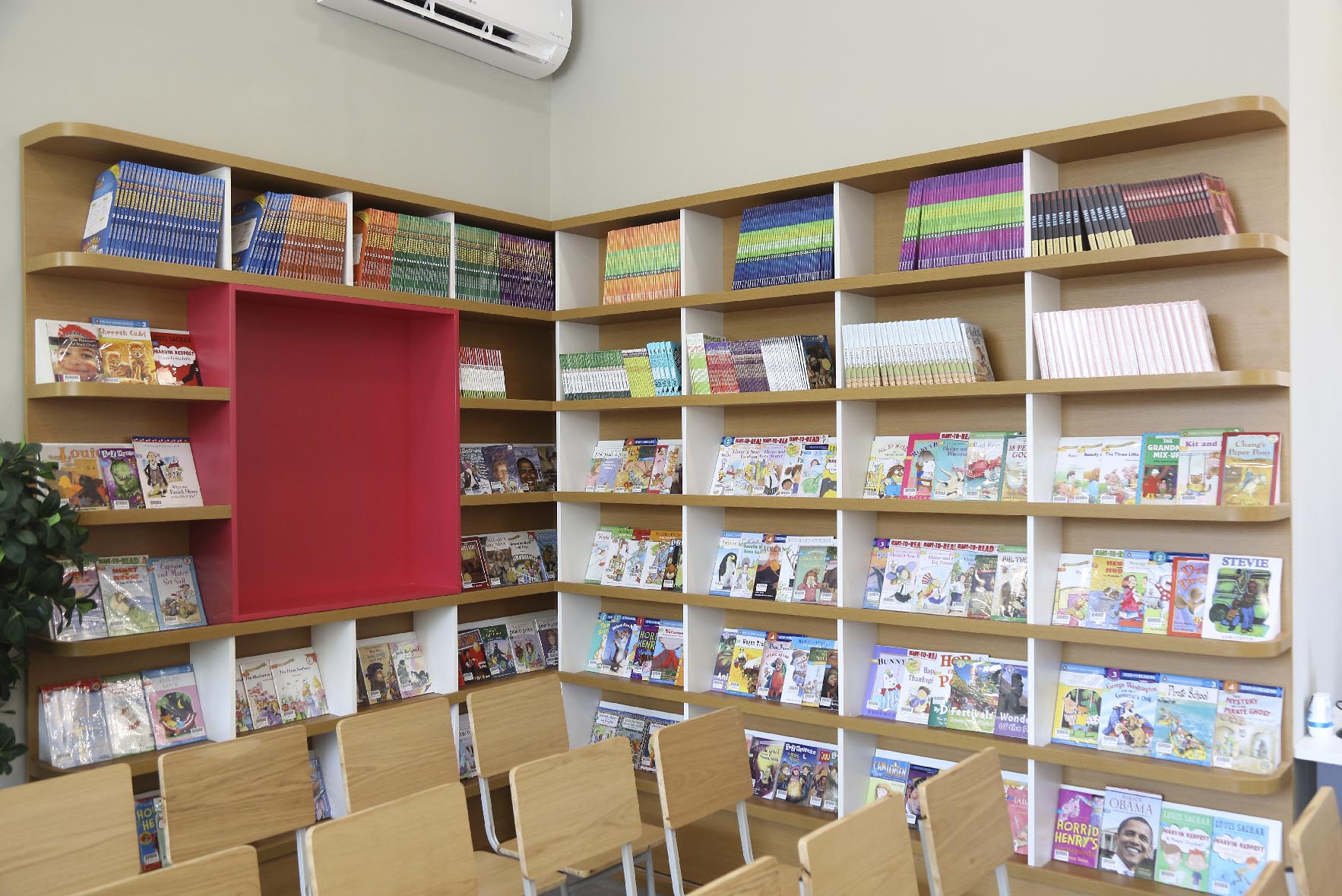
Successful learners develop resilience, adaptability, curiosity, organization, and the ability to manage their own learning. These qualities prepare students to continue learning throughout their lives as careers and technology continue to change. A simple action as students choosing their own extensive reading materials is the start of fostering this.
Global Citizenship
Today’s students interact with people from different cultures, backgrounds, and perspectives. Developing empathy, cultural awareness, ethical decision-making, and respect for others prepares them to become responsible global citizens.
How Reading Q Develops These Skills
At Reading Q, we believe that strong readers become confident thinkers.
Through authentic literature, thoughtful classroom discussions, analytical writing, presentations, and independent reading, students naturally develop many of the competencies identified in both the traditional and modern frameworks.
When students analyze a character’s motivation or evaluate an author’s message, they strengthen critical thinking.
When they write essays supported by evidence, they improve communication while developing information literacy.
When they discuss books with classmates, they build collaboration, empathy, and global awareness by considering different perspectives and respectfully defending their ideas.
When they read widely and independently, they become more adaptable, curious, and confident lifelong learners.
Reading remains one of the most effective ways to develop these skills because great literature challenges students to analyze complex ideas, understand different perspectives, communicate clearly, and reflect on the world around them.
Preparing Students for the Future
No one can predict what careers today’s children will have twenty years from now. Many existing jobs will evolve, while entirely new industries will emerge.
What will remain valuable are the abilities to think critically, communicate effectively, collaborate with others, adapt to change, evaluate information, and continue learning throughout life.
At Reading Q, we believe English is more than a subject. It is the medium through which students develop the knowledge, confidence, and lifelong learning skills they need to succeed in an ever-changing world.